Tuesday, June 13, 2017

Kevin Durant finds joy, camaraderie in Warriors' championship run

June 13    
FOLLOW US Facebook Twitter Google+ Instagram    

NEWS SPORTS LIFE MONEY TECH TRAVEL OPINION WEATHER
  nba
 
Golden State Warriors forward Kevin Durant (35) celebrates with the Larry O'Brien Trophy after beating the Cleveland Cavaliers in game five of the 2017 NBA Finals at Oracle Arena.
 
  Kevin Durant finds joy, camaraderie in Warriors' championship run  
  After thinking about quitting basketball, Kevin Durant is now an NBA champion.  
  Read StoryRead Story  
SHARE SHARE SHARE SHARE SHARE

  news      
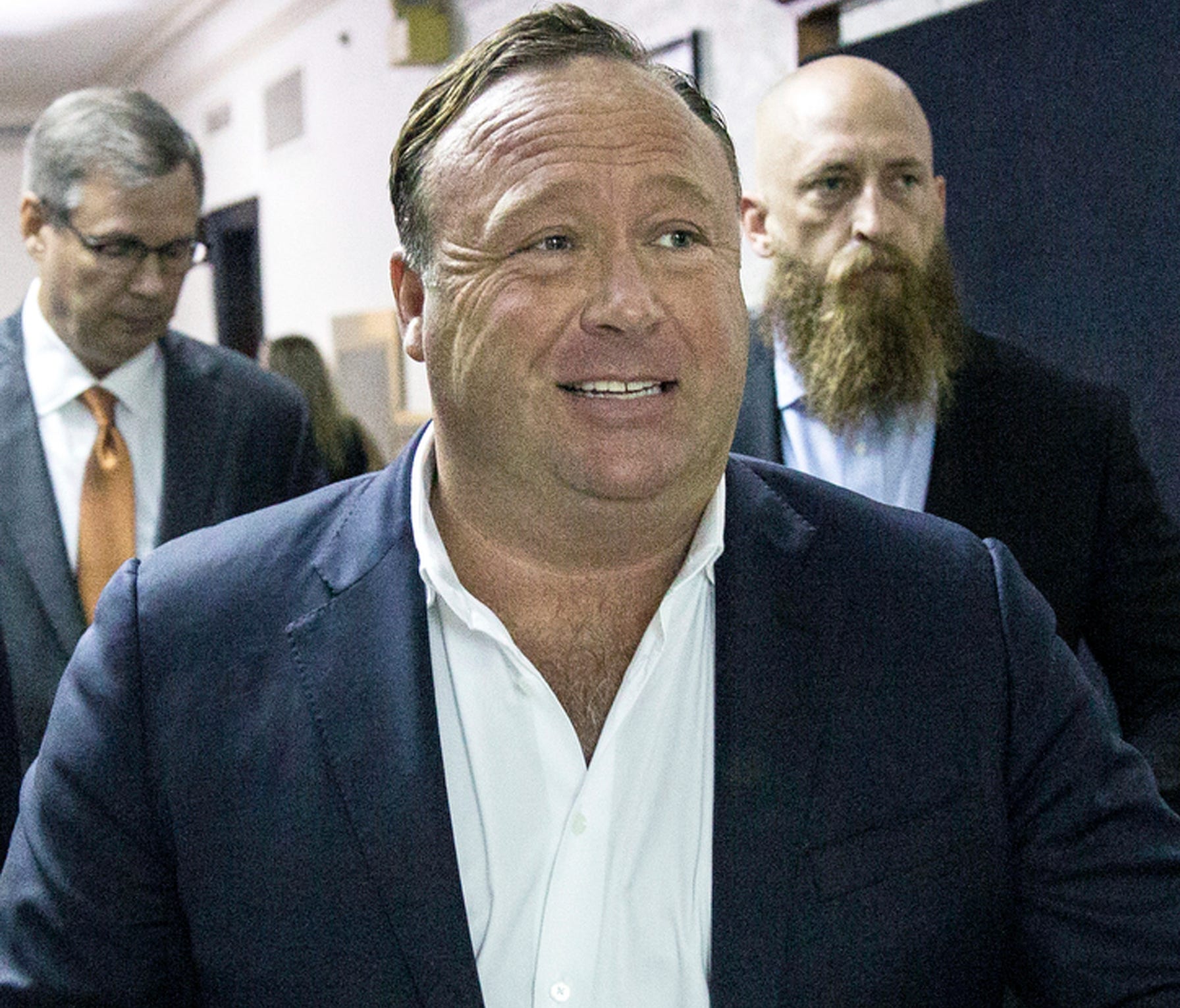
    NBC and Megyn Kelly taking heat over upcoming Alex Jones' interview
Megyn Kelly and NBC face criticism for an interview with controversial radio host Alex Jones.
SHARE SHARE SHARE SHARE
 
  cars      
  Poor headlights can cause safety issues.   Only 2 of 37 mid-size SUVs offer 'good' headlights, IIHS says
Some automakers are offering new lights that swivel, but they aren't necessarily better.
SHARE SHARE SHARE SHARE
 
  nba      
  Recording artist Rihanna in attendance for Game 1 of the 2017 NBA Finals.   Kevin Durant sends love to Rihanna after Warriors win title
The Finals MVP had a message for the singer who stole the show in Game 1.
SHARE SHARE SHARE SHARE
 
Advertisement
  news      
  Attorney General Jeff Sessions   5 things you need to know Tuesday
The biggest news to start your day.
SHARE SHARE SHARE SHARE
 
  politics      
  Robert Mueller waits for the beginning of a hearing before the Senate Judiciary Committee on June 19, 2013.   Trump considering 'terminating' Mueller, friend says
"I think he's weighing that option," Trump confidant Chris Ruddy told "PBS NewsHour."
SHARE SHARE SHARE SHARE
 
  politics      
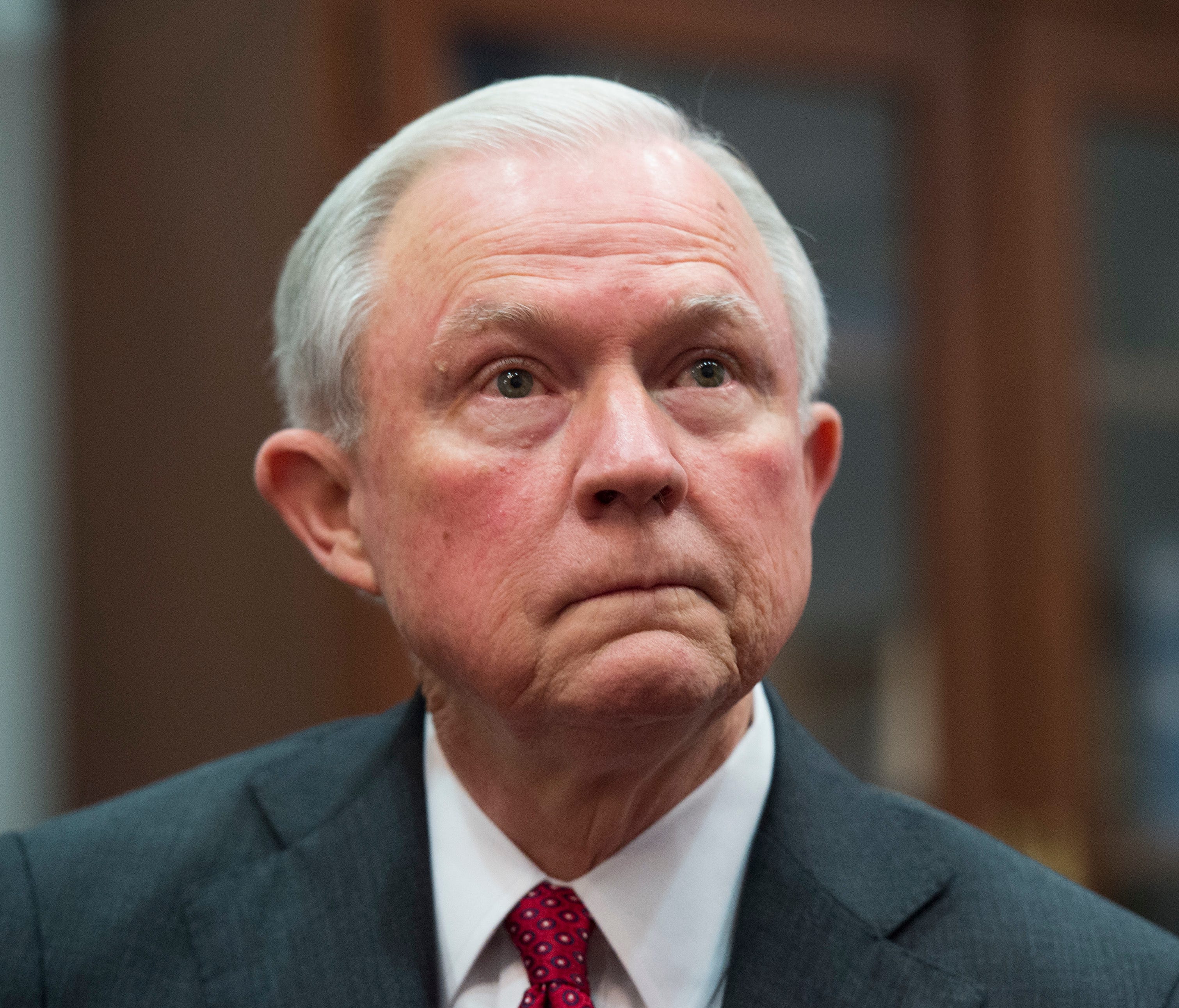
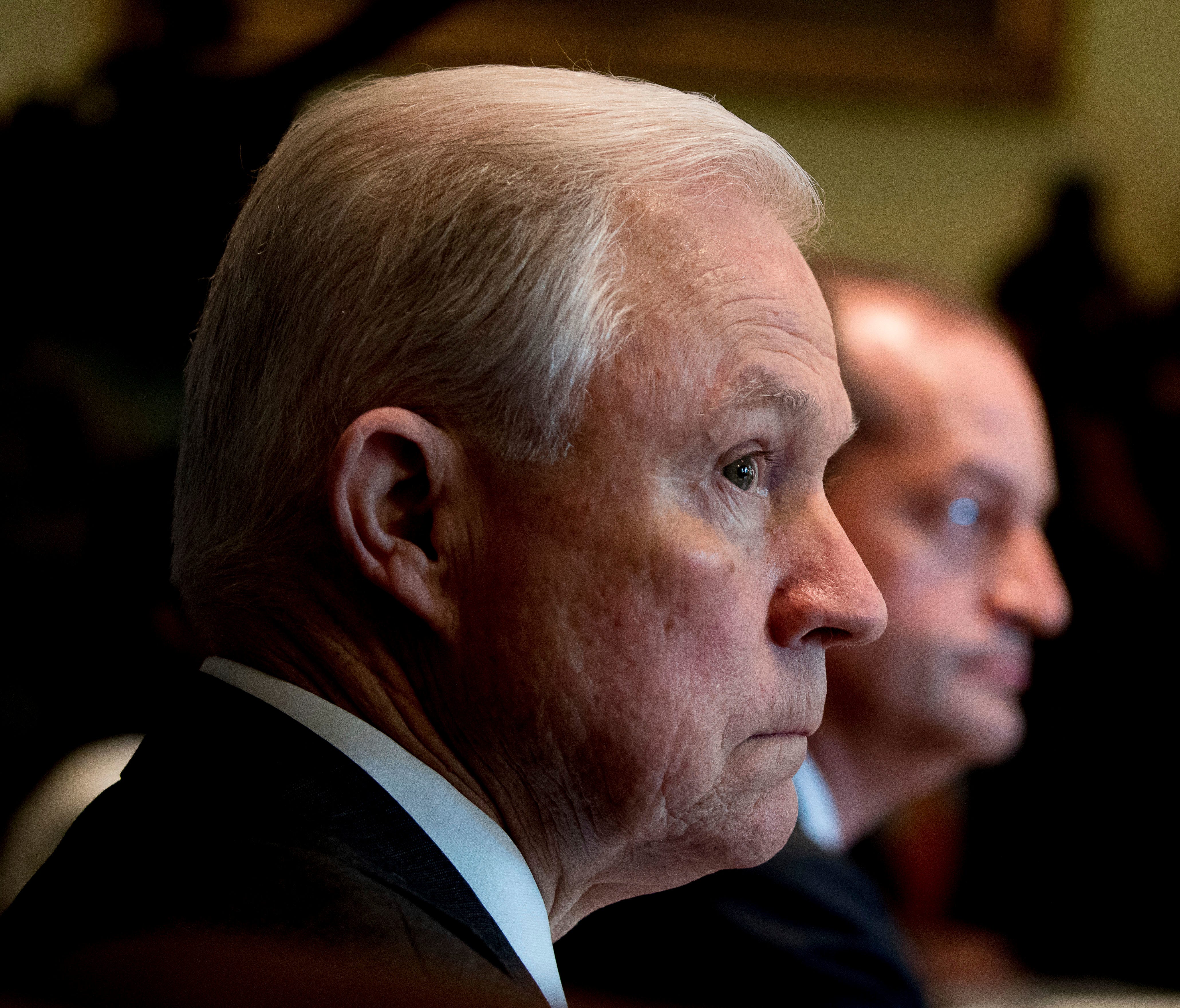
  Attorney General Jeff Sessions attends a Cabinet meeting with President Donald Trump, Monday, June 12, 2017, in the Cabinet Room of the White House in Washington.   Here are 3 things we want to know from Jeff Sessions' testimony
Attorney General Jeff Sessions is set to testify publicly on Tuesday before the Senate Intelligence Committee.
SHARE SHARE SHARE SHARE
 
  people      
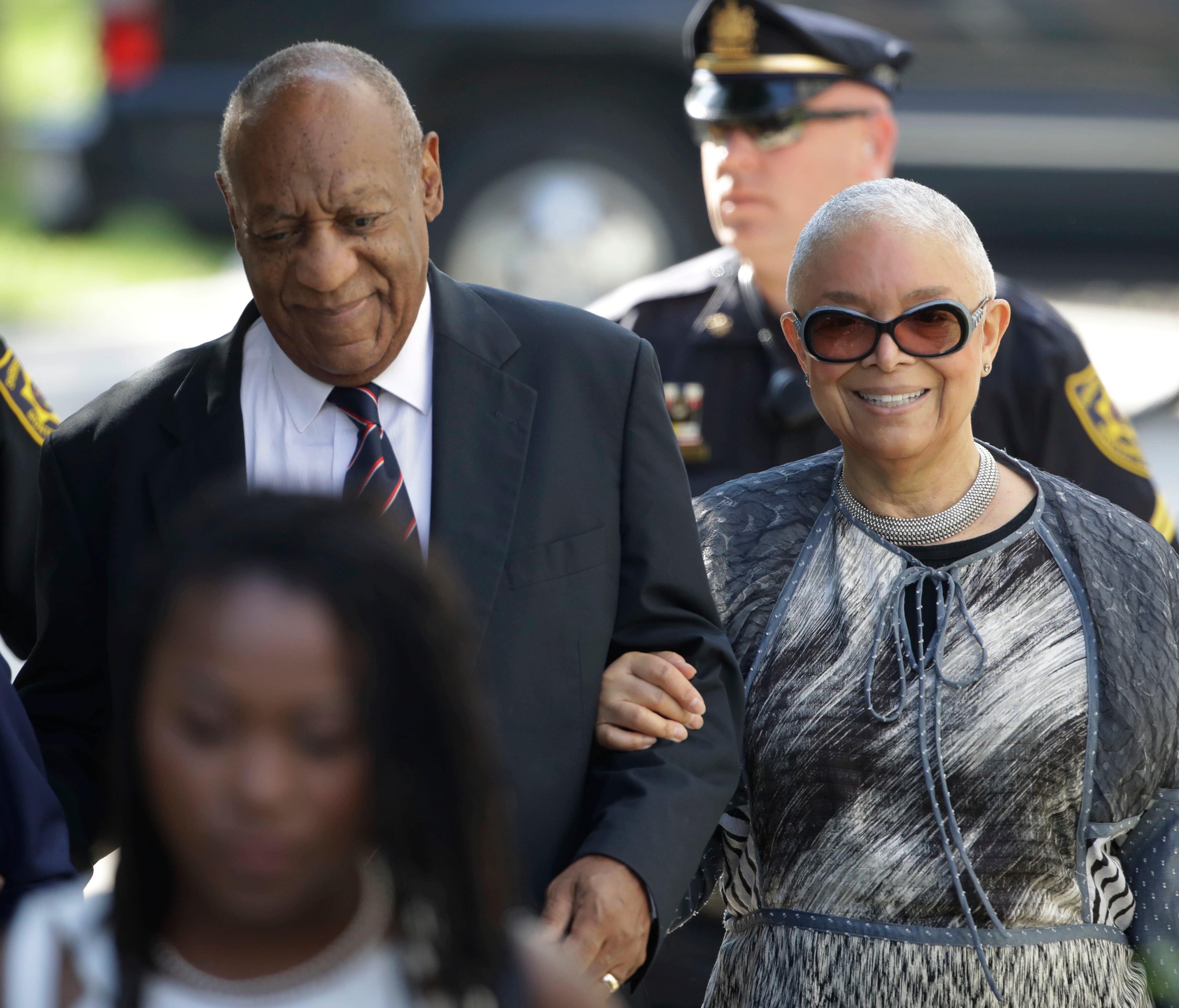
  Bill Cosby arrives for his sexual assault trial with his wife Camille Cosby, at the courthouse in Norristown, Pa., June 12, 2017.   Bill Cosby trial Day 6: Jury suspends deliberations for night after 4 hours
The comedian did not testify at the trial, which went to the jury Monday.
SHARE SHARE SHARE SHARE
 
  nba      
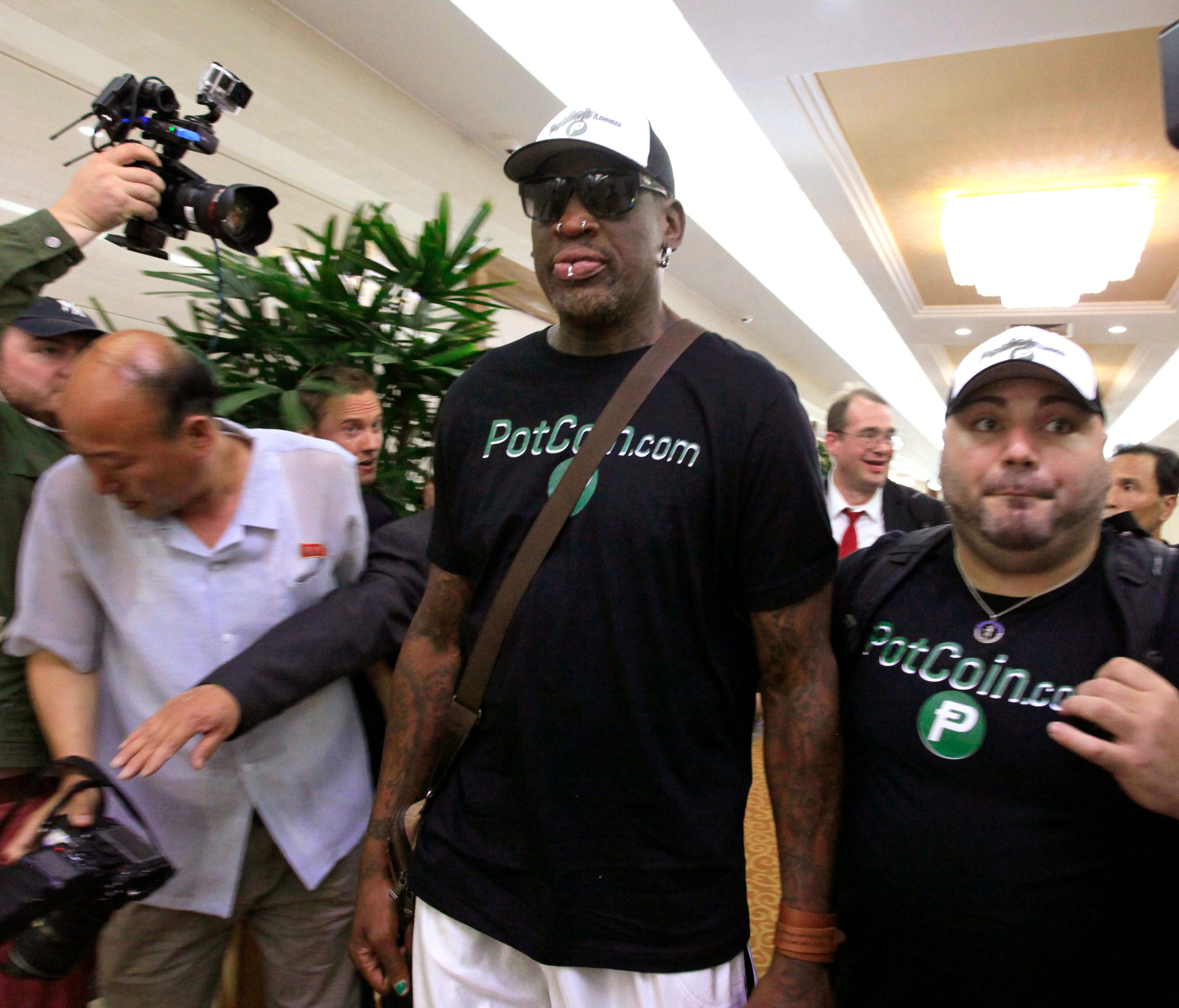
  Former NBA basketball star Dennis Rodman, center, arrives at Sunan International Airport on Tuesday, June 13, 2017, in Pyongyang, North Korea.   NBA Hall of Famer Dennis Rodman arrives in North Korea
Rodman has received the red-carpet treatment on four past trips since 2013.
SHARE SHARE SHARE SHARE
 
  nation-now      
  Wall Township High School junior Grant Berardo's T-shirt was digitally altered in the school's yearbook. He wore a Donald Trump campaign shirt for his portrait.   N.J. teacher suspended over Trump yearbook censorship
A Wall High School teacher and yearbook adviser was suspended for alleged censorship of images and quotes by students supporting President Trump.
SHARE SHARE SHARE SHARE
 
Ad Content by Taboola
  The Day In Pictures Gallery
A woman poses with a tropical butterfly in the \

A woman poses with a tropical butterfly in the \"Casa delle Farfalle\
 
  Popular Stories
NBC and Megyn Kelly taking heat over upcoming Alex Jones' interview
Danica Patrick confronts booing fans at Pocono: 'I have feelings'
Bill Cosby trial Day 6: Jury suspends deliberations for night after 4 hours
 
USA TODAY
Help | Advertise | Home Delivery | Privacy Policy - Your California Privacy Rights
© 2017 USA TODAY, a division of Gannett Satellite Information Network, LLC.
7950 Jones Branch Drive, McLean, VA 22108

ONS releases - UK consumer price inflation: May 2017, UK house price index: Apr 2017, UK producer price inflation: May 2017, Prices economic commentary: June 2017, Index of private housing rental prices (IPHRP) in Great Britain: May 2017

Logo

View in browser

13 June 2017


Economy

Index of private housing rental prices (IPHRP) in Great Britain: May 2017

Private rental prices paid by tenants in Great Britain rose by 1.8% in the 12 months to May 2017; this is unchanged from April 2017.

In England, private rental prices grew by 1.9%, Wales saw growth of 0.9% while Scotland saw rental prices decrease (negative 0.1%) in the 12 months to May 2017.

UK producer price inflation: May 2017

The rate of increase in factory gate prices appears to be stabilising now that manufacturing input costs have largely fallen month-on-month since January.

The annual rate of factory gate price inflation (output prices) remained at 3.6% for the third consecutive month and slowed on the month to 0.1%, from 0.4% in March and April.

Understanding the different approaches of measuring owner occupiers housing costs: Jan to Mar 2017

Owner occupiers' housing costs (OOH) in the UK under the rental equivalence approach have grown by 2.5% in Quarter 1 (Jan to Mar) 2017.

OOH according to the net acquisition approach have grown by 2.1% in Quarter 1 2017.

UK consumer price inflation: May 2017

The Consumer Prices Index including owner occupiers' housing costs (CPIH, not a National Statistic) 12-month inflation rate was 2.7% in May 2017, up from 2.6% in April.

The rate has been steadily increasing following a period of relatively low inflation in 2015 and is at its highest since April 2012.

Rising prices for recreational and cultural goods and services (particularly games, toys and hobbies) was the main contributor to the increase in the rate.

UK house price index: Apr 2017

Average house prices in the UK have increased by 5.6% in the year to April 2017 (up from 4.5% in the year to March 2017). While up against March 2017, there has been a general slowdown in the annual growth rate since mid-2016.

 The average UK house price was £220,000 in April 2017. This is £12,000 higher than in April 2016 and £3,000 higher than last month.

Prices economic commentary: June 2017

The supply chains for a range of products manufactured in the UK, including motor vehicles, became more import-intensive between 2010 and 2013 – leading to input prices more closely reflecting movements in the sterling effective exchange rate for these products compared with less import-intensive products.

Falls in property transaction volumes in London in particular are feeding through into lower average house price growth.

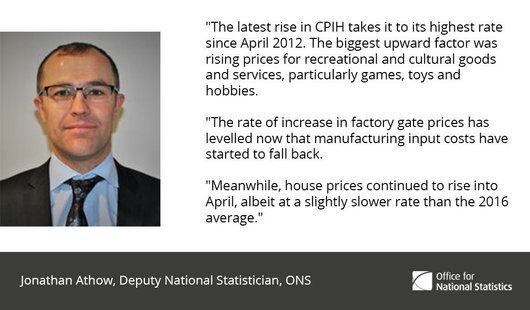
Commenting on today's inflation figures, ONS Deputy National Statistician Jonathan Athow said: 
inflation quote 13 june

People, population and community

Deaths registered in England and Wales, provisional: week ending 2 June 2017

The provisional number of deaths registered in England and Wales in the week ending 2 June 2017 (week 22) was 8,332; this represents a decrease of 1,708 deaths registered in comparison with the previous week (week 21).


The average number of deaths for the corresponding week over the previous 5 years was 8,417.

The decrease in the deaths registered in the week ending 2 June 2017 is likely to be due to the closure of register offices over the spring bank holiday. This pattern is similar to previous years.


All about image

The latest blogpost from the ONS Digital team talks about the use of images at ONS. 


Our digital team regularly write about our approach and progress to the website and social media.

Visit our Digital Blog

National Statistical is our corporate blog. It's the place to find insight into the role data plays in the decisions affecting our lives, the changes we are making to take advantage of it and the ways we keep it secure. 

Visit our Corporate Blog

local map from website

Looking for local statistics?

A handy guide to let you know where to find local statistics.

Census logo

Census

Discover how our census statistics help paint a picture of the nation and how we live.

visual promo image

Visual.ONS

Visual.ONS is a website exploring new approaches to making ONS statistics accessible and relevant to a wide public audience.


This email was sent using GovDelivery Communications Cloud on behalf of: Office for National Statistics · Room 1.101 · Government Buildings · Cardiff Road · Newport · South Wales · NP10 8XG · 0845 601 3034 GovDelivery logo

Brexit weekly briefing: shock election result means new negotiation calculus

EU Referendum Morning Briefing

Brexit weekly briefing: shock election result means new negotiation calculus

A weakened Theresa May will need support of political rivals, including those who support a softer Brexit

Theresa May
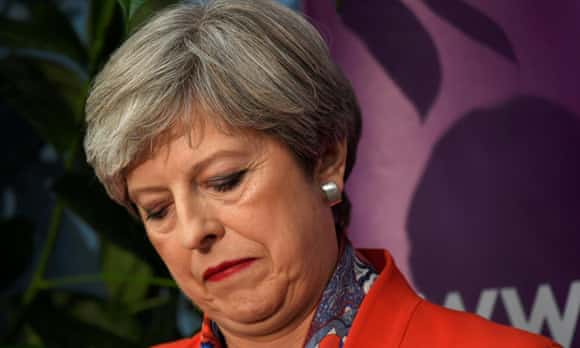
Theresa May is significantly weaker after the unexpected election result and is now reliant for her majority on Northern Ireland's DUP. Photograph: Toby Melville/Reuters

Jon Henley and Ian Walker


Welcome to the Guardian's weekly Brexit briefing, a summary of developments as the UK lurches towards the EU door marked exit. If you would like to receive it as a weekly early morning email, please sign up here.

You can listen to our latest Brexit Means podcast, updated every Wednesday, here. And with the general election approaching in the UK, you can also sign up to the Snap, our daily email election briefing, here.

Also: producing the Guardian's independent, in-depth journalism takes a lot of time and money. We do it because we believe our perspective matters – and it may well be your perspective too.

If you value our Brexit coverage, become a Guardian Supporter and help make our future more secure. Thank you.

The big picture

So many questions. Britain's shock election result has huge but unknowable Brexit consequences, with about the only thing most people seem to agree on being that it will now be very difficult for the government to pursue the kind of "clean break" with the EU that it was pushing for.

For the time being, the Brexit secretary, David Davis, is sticking manfully to the script, telling the BBC on Monday:

We've made pretty plain what we want to do. It's outside the single market but with access. It's outside the customs union but with a customs agreement. It's taking back control of our own laws and borders. Those things are fundamental.

But key elements of the new reality do seem – in contrast to earlier government acknowledgment that "taking back control" of its borders, laws and money means Britain cannot stay in the single market – to suggest it may end up doing so after all:

  • The election result has significantly weakened Theresa May and means she is unlikely to survive for long as prime minister and party leader – how long is a moot question.
  • However long she stays, she now needs the support of political rivals inside the Conservative party, including "pragmatists" such as the chancellor, Philip Hammond, who favour a softer Brexit.
  • The prime minister is also reliant for her majority on Northern Ireland's DUP, whose demand for a "frictionless border" with the Republic could necessitate staying in both the customs union and the single market.
  • The support of pro-European Scotland's cohort of new Conservative MPs will also be critical. Their newly powerful leader, Ruth Davidson, has already called on the government to pursue an "open" Brexit.
  • The so-called "Norway option" is back. Previously dropped because it requires free movement of people, this would see the UK retain full access to the single market by rejoining the European Free Trade Association (Efta).

Which is not, of course, to say that any of the above will happen. Other factors may prevail (and increase the chances of a car-crash Brexit), including:

In any event, it seems as though the start of Brexit talks – like the Queen's speech – may now well be delayed.

The view from Europe

Concretely, the election result changes little for the EU27: they still want to get on with it, they will still insist the UK respects their schedule of "divorce first, trade talks second", and their Brexit red lines remain unaffected – just as they would have if May had won a large majority.

Europe is worried, however, that a weakened prime minister will no longer be able to bring her party to compromises. Senior EU diplomats also say the election has magnified their uncertainty about what the UK really wants, as London has not sent Brussels a single position paper.

Several leaders and EU officials warned about delaying the start of the talks by too long, pointing out that the clock was already ticking on the two-year time period allowed for the article 50 divorce negotiations:

We don't know when Brexit talks start. We know when they must end. Do your best to avoid a "no deal" as result of "no negotiations". #GE2017

— Donald Tusk (@eucopresident) June 9, 2017

Others called the election a "disaster" and an "own goal" that would "make already complex negotiations even more difficult", and risked increasing the chances of the talks breaking down altogether.

Senior EU sources also said that if London insisted on talking about a free trade deal before the issues of the divorce bill, citizens' rights and the border in Ireland, the EU would take a year to draft a new mandate for its chief negotiator, Michel Barnier, in effect killing the negotiations.

Meanwhile, back in Westminster

As of this week, the political action is finally back in Westminster following the election campaign, as MPs return to the Commons – and in notably different political proportions to those that more or less everyone expected.

The 30 extra Labour MPs and 13 fewer Tories might be only a relatively small proportion of the entire 650-seat Commons, but it has dramatically transformed the political landscape.

Theresa May, who called the snap election in the expectation of winning a crushing majority, is instead hanging on to her job by her fingernails, and must placate furious – and no longer afraid – Conservative MPs with a more conciliatory style, and perhaps a tweaked platform of policies.

Already her two main advisers have departed, and a planned shake-up of May's cabinet instead became a tweak, not least as she no longer has the authority to remove any fellow big beasts. The vital pact with the DUP that will allow her to stay at No 10 has, moreover, yet to be sealed.

For Labour, the problems are more benign, and to look at Jeremy Corbyn's face you might never guess it was his party that, officially, lost the election. He has postponed a shakeup of his front bench, mainly to keep the media focus on the Conservatives' many problems.

Now suddenly seen as electable, the Labour leader has seen a few of Labour's previously critical heavyweights allow talk to happen about how they might consider a return to the shadow cabinet. A few might be given roles, but Corbyn is also believed to want to remain loyal to the MPs who stuck with him. Yes, it's a conundrum. But as a problem, it is one that May would love to have.

You should also know ...

Read these:

In The Guardian, Charles Grant of the Centre for European Reform thinktank is optimistic about a softer Brexit, arguing that May's crumbling authority offers a new chance for compromise:

The EU will make it clear that if you want more economic integration, you must give up sovereignty. In recent months they have grown increasingly frustrated with May, her team and the key Whitehall ministries, accusing them of being ill-prepared, lacking expertise and making too many unrealistic demands ... The 27 hope for a softer and more realistic British approach – whether they have to talk to May Mk II or a new prime minister. If the British oblige, the EU could scale back some of its demands, for example on money. And then a deal would become more likely.

On Project Syndicate, Ngaire Woods, dean of the Blavatnik school of government at Oxford University, offers negotiating tips for a weakened UK government, saying that thus far it has been too combative and too self-interested, and has created altogether unrealistic expectations:

May called the recent election because she wanted a stronger mandate to negotiate a good deal for her country. She didn't get it. Now more than ever, securing a deal will require shifting to a collaborative, outward-looking, and realistic negotiating strategy.

And in a brilliant essay in the New York Review of Books, Fintan O'Toole argues that this tumultuous election showed above all that the Brexit chickens were finally coming home to roost:

Brexit is a back-of-the-envelope proposition. Strip away the post-imperial make-believe and the Little England nostalgia, and there's almost nothing there, no clear sense of how a middling European country with little native industry can hope to thrive by cutting itself off from its biggest trading partner and most important political alliance …

The Brits want what they can't possibly have. They want everything to change and everything to go as before. They want an end to immigration – except for all the immigrants they need to run their economy and health service. They want it to be 1900, when Britain was a superpower and didn't have to make messy compromises with foreigners. To take power, May had to pretend that she, too, dreams these impossible dreams. And that led her to embrace a phoney populism in which the narrow and ambiguous majority who voted for Brexit under false pretences are be re-imagined as "the people" …

May's appeal to "the people" as a mystic entity came up against Corbyn's appeal to real people in their daily lives, longing not for a date with national destiny, but for a good school, a functioning National Health Service, and decent public transport. Phoney populism came up against a more genuine brand of anti-establishment radicalism that convinced the young and the marginalised that they had something to come out and vote for.

Tweet of the week

Ian Dunt on fighting form (thread):

We have no Brexit plan. We have no consensus, in either of the main parties, in parliament, or in the country, about what we want.

— Ian Dunt (@IanDunt) June 12, 2017
Guardian News & Media Limited - a member of Guardian Media Group PLC. Registered Office: Kings Place, 90 York Way, London, N1 9GU. Registered in England No. 908396